
How EECP Therapy Helps Manage Chronic Angina Without Surgery
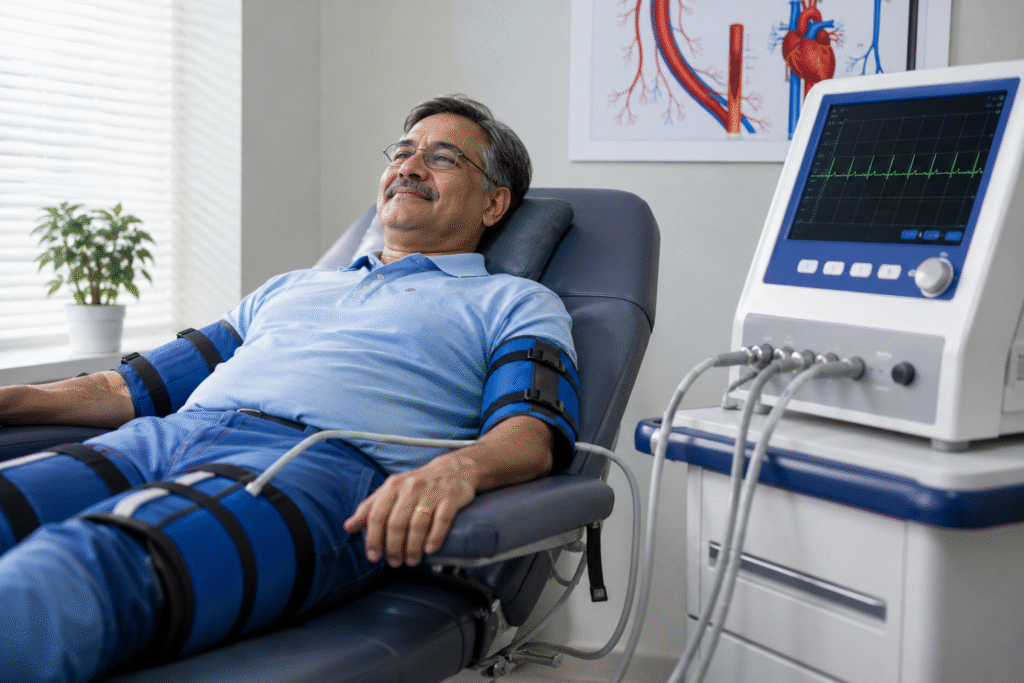
How EECP Therapy Helps Manage Chronic Angina Without Surgery Patients living with chronic angina find it difficult to engage in daily activities. Simple things such as walking, going up and down the stairs, and even carrying things can cause pain in the chest region, thereby making them feel concerned about their heart condition. While drug therapy, angioplasty, and surgery are some of the treatment methods available for this condition, all patients may not be the right candidates for surgery or other medical procedures. Enhanced External Counter Pulsation (EECP) therapy has proven to be a relatively safe therapy which helps to increase the amount of blood reaching the heart without going through surgery. EECP therapy encourages the formation of natural collateral blood vessels and helps to improve circulation. In this blog, we will be discussing how EECP therapy works, who is eligible for this type of therapy, and what are the benefits of this therapy. Table of Contents What Is Chronic Angina? What Causes Chronic Angina? Understanding EECP Therapy How EECP Therapy Works How EECP Helps Manage Chronic Angina Who Can Benefit from EECP Therapy? Benefits of EECP Therapy What Happens During an EECP Session? Is EECP Therapy Safe? Lifestyle Changes That Support Better Heart Health Choosing the Right EECP Centre Conclusion Frequently Asked Questions What Is Chronic Angina? Chronic angina refers to recurring pain or discomfort due to inadequate blood supply to the muscles of the heart. It normally happens when the heart needs more oxygen than what the narrowed coronary arteries can deliver. Some of its manifestations include: Tightness or pressure in the chest area Chest pain that moves into the shoulders, neck, jaw, and arm areas Difficulty breathing Feeling tired Uncomfortable feeling during exercise or emotional stress Even with the use of medication, some people still have recurrent attacks. What Causes Chronic Angina? The most common cause is coronary artery disease (CAD), where plaque gradually narrows the arteries supplying blood to the heart. Risk factors include: High blood pressure High cholesterol Diabetes Smoking Obesity Physical inactivity Family history of heart disease Advancing age Managing these risk factors is essential for improving long-term heart health. Understanding EECP Therapy EECP or Enhanced External Counter Pulsation is a type of therapy that is done without any invasive method and it aims to increase blood flow to the heart muscles. During the EECP procedure, inflatable cuffs are placed on the legs and they expand and collapse according to the beat of the heart, which increases the flow of blood to the heart when it relaxes and reduces its burden when it contracts. People coming to the EECP clinic in Ernakulam usually prefer this treatment due to many factors including comfort and convenience. How EECP Therapy Works EECP therapy is carefully synchronized with your heart rhythm using an electrocardiogram (ECG). The treatment works by: Increasing blood flow to the coronary arteries Improving oxygen delivery to the heart muscle Encouraging the formation of natural collateral blood vessels Reducing the workload on the heart Enhancing overall circulation throughout the body Over multiple treatment sessions, these improvements help reduce angina symptoms and improve exercise tolerance. How EECP Helps Manage Chronic Angina Improves Blood Supply to the Heart By enhancing circulation, EECP helps deliver more oxygen-rich blood to areas of the heart affected by narrowed arteries. Promotes Natural Bypass Circulation One of the most important advantages of EECP is that it can promote the growth of collaterals. Collaterals are natural pathways that can allow blood to flow around blockages or narrowings in the artery. Reduces Chest Pain Episodes Many patients report fewer angina attacks after completing the recommended course of treatment. Improves Exercise Capacity As circulation improves, patients often experience greater stamina and are able to perform daily activities with less discomfort. Enhances Quality of Life Reduced symptoms allow many individuals to return to work, hobbies, and physical activities with greater confidence. Patients receiving care at an eecp treatment centre in Kochi frequently experience noticeable improvements in their daily functioning after completing the full course of therapy. Who Can Benefit from EECP Therapy? EECP therapy may be recommended for individuals who: Have chronic stable angina Continue to experience symptoms despite medication Are not suitable candidates for bypass surgery Are not eligible for angioplasty Have diffuse coronary artery disease Want a non-invasive treatment option Require symptom management after previous heart procedures A cardiologist will determine whether EECP is appropriate based on your medical history and current heart condition. Benefits of EECP Therapy EECP offers several advantages over invasive procedures. Non-Surgical Treatment No incisions, anesthesia, or hospital admission are required. Minimal Recovery Time Patients usually resume normal daily activities immediately after each treatment session. Outpatient Procedure Treatment is typically performed without overnight hospitalization. Improved Circulation Better blood flow supports improved oxygen delivery to the heart and other organs. Long-Term Symptom Relief Many patients continue experiencing reduced angina symptoms for months or even years following treatment. Individuals visiting an eecp treatment centre in Kerala benefit from personalized treatment plans designed to improve heart function while minimizing the need for invasive procedures. What Happens During an EECP Session? A typical EECP session lasts about one hour. The process generally includes: ECG leads are attached to monitor heart rhythm. Inflatable cuffs are wrapped around the legs. The cuffs inflate and deflate according to your heartbeat. You remain awake and relaxed throughout treatment. Sessions are repeated over several weeks, typically totaling around 35 treatments. Most patients find the therapy comfortable and well tolerated. Is EECP Therapy Safe? EECP has been extensively studied and is considered safe for many patients with chronic stable angina. However, it may not be appropriate for individuals with certain conditions, including: Severe valve disease Active blood clots Severe peripheral vascular disease Uncontrolled hypertension Certain abnormal heart rhythms A thorough medical evaluation helps determine whether the therapy is suitable for each patient. Lifestyle Changes That Support Better Heart Health EECP therapy works best when combined with healthy lifestyle habits. These include: Following a heart-healthy diet Exercising
Understanding Angina: Causes, Symptoms & Treatment Options
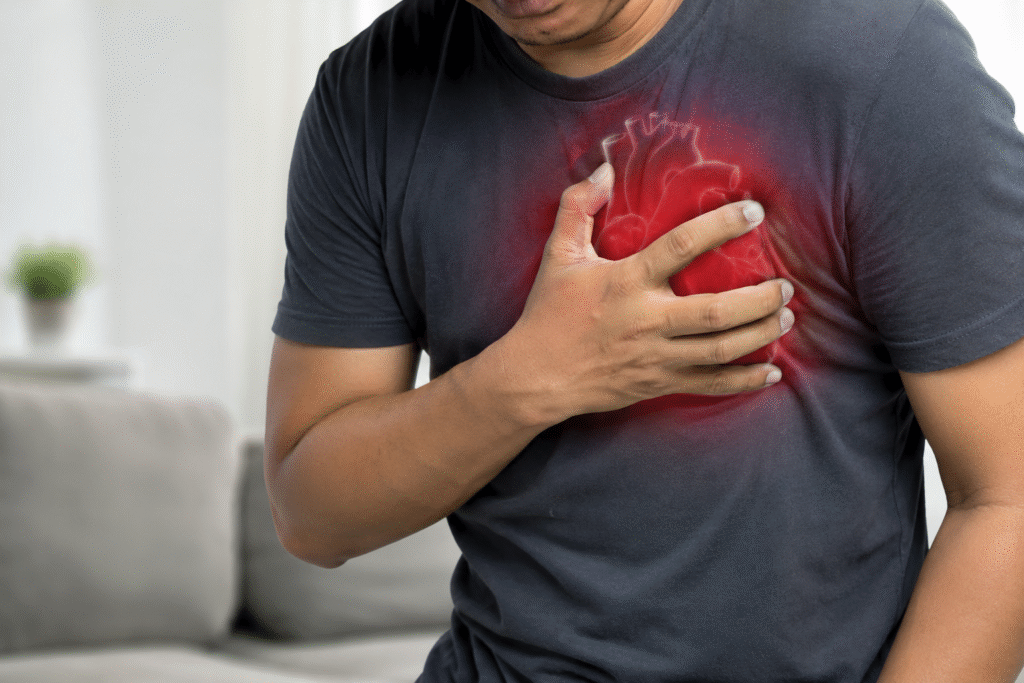
Understanding Angina: Causes, Symptoms & Treatment Options Angina is one of the most common cardiovascular diseases, which affects millions of people worldwide. Angina is the term used for chest pain, which occurs due to insufficient oxygen-enriched blood reaching the heart muscles. Angina is not a disease in itself, but angina may be an indicator of heart ailments, particularly coronary artery disease (CAD). Many people usually ignore the initial signs, thinking that they are the result of stress or digestive problems. Early diagnosis of angina, along with proper treatment, helps avoid complications such as a heart attack or heart failure. The EECP clinic in Kochi can provide a detailed assessment and individualized treatment of heart-related problems. Getting to know about the causes, symptoms, and treatment options of angina is the first step towards heart care. Table of Contents Introduction What Is Angina and Why Does It Occur? Common Causes of Angina Different Types of Angina You Should Know Major Risk Factors That Increase the Chances of Angina Signs and Symptoms of Angina How Doctors Diagnose Angina Lifestyle Changes That Help Manage Angina Medical Treatments Available for Angina Advanced Angina Therapy Options for Long-Term Relief Conclusion FAQ 1. What Is Angina? Angina is a symptom caused by inadequate blood and oxygen supply to the muscles of the heart. This feeling occurs in different ways, including chest pressure, squeezing, chest heaviness, tightness, and chest pain. In order for the heart to function effectively, it needs oxygen-filled blood supply. The arteries become narrow and get blocked, and therefore there is a reduced supply of blood, which leads to angina. Angina differs in its level of severity and occurrence. While some people feel discomfort through physical effort, other people experience angina more frequently. Some of the common characteristics of angina include: chest pressure or chest tightness pain that can radiate to the arms, shoulders, neck, jaw, or back triggered by physical or emotional stress relief after rest or use of medication. It is very important to understand what angina is because it is an alarm bell of the heart’s poor condition. 2. Common Causes of Angina Angina results from the formation of plaques in the coronary arteries. These plaques lead to narrowing of the coronary arteries, thereby decreasing the amount of blood supplied to the heart. The other possible causes of angina include: Atherosclerosis A condition characterized by stiffening of the arteries due to deposition of plaques. Coronary Artery Spasm Narrowing of the coronary arteries, resulting from their temporary spasms. Heart Valve Disease Disorders of the heart valves that may affect the flow of blood in the heart. Uncontrolled Hypertension High pressure requires the heart to work extra hard in order to pump more blood. Anemia Deficiency of red blood cells, leading to low amounts of oxygen supply. Heart Failure Poor pumping ability of the heart may cause a low oxygen supply. Identifying the underlying cause is essential for selecting the most effective angina treatment strategy. 3. Types of Angina Angina is not the same for every patient. Different types require different management approaches. Stable Angina The most common form of angina. Characteristics include: Occurs during exercise or physical activity Triggered by emotional stress Predictable pattern Improves with rest Unstable Angina A more serious condition that requires immediate medical attention. Characteristics include: Sudden onset More intense symptoms Occurs even at rest May signal an impending heart attack Variant (Prinzmetal’s) Angina Caused by coronary artery spasms. Features include: Often occurs at rest Usually appears during nighttime or early morning May not be associated with plaque buildup Microvascular Angina Occurs due to dysfunction in the small blood vessels of the heart. Symptoms may persist longer and often affect women more frequently. Understanding the specific type of angina helps physicians recommend the most appropriate angina therapy. 4. Risk Factors That Increase Angina Various elements may increase the chances of having angina. Lifestyle Causes Smoking Sedentary lifestyle Obesity Consuming too much alcohol Unhealthy eating habits Medical Issues Diabetes High levels of cholesterol High blood pressure Chronic kidney issues Non-Modifiable Causes Having a family history of heart problems Older age Being male Post-menopausal women Controlling the modifiable causes is critical to avoiding any heart issues in the future. 5. Recognizing the Symptoms of Angina Patients have been known to report angina in many ways, making diagnosis difficult. Typical symptoms are: Chest pain/pressure A burning feeling in the chest area Pressure in the chest Shortness of breath Fatigue Dizziness Nausea Sweating Pain may radiate to: Left arm Right arm Neck Jaw Back Shoulder Symptoms in Women Women may experience less typical symptoms such as: Fatigue Shortness of breath Nausea Upper back discomfort Any recurring chest discomfort should be evaluated promptly by a cardiac specialist. 6. How Angina Is Diagnosed Accurate diagnosis helps determine the severity of the condition and guides treatment decisions. A cardiologist may recommend: Medical History Review Understanding symptom patterns and risk factors. Physical Examination Assessing heart function and circulation. Electrocardiogram (ECG) Detects electrical abnormalities in the heart. Echocardiogram Provides detailed images of heart structure and function. Stress Testing Evaluates heart performance during physical activity. Coronary Angiography Identifies blockages in the coronary arteries. Blood Tests Checks for markers of heart damage and other contributing conditions. A thorough evaluation allows physicians to design a customized ANGINA THERAPY plan. 7. Lifestyle Changes That Support Angina Management Lifestyle modification is often the foundation of successful treatment. Heart-Healthy Diet Focus on: Fruits and vegetables Whole grains Lean proteins Healthy fats Limit: Saturated fats Trans fats Excess salt Processed foods Regular Physical Activity Benefits include: Improved circulation Better blood pressure control Enhanced heart function Smoking Cessation Stopping smoking significantly reduces cardiovascular risk. Weight Management Maintaining a healthy weight reduces stress on the heart. Stress Reduction Helpful techniques include: Meditation Yoga Deep breathing exercises Mindfulness practices These changes often improve symptoms and enhance treatment outcomes. 8. Medical Treatments for Angina Various medications have been developed not only to alleviate symptoms but also to reduce the risk factors of the cardiovascular system. Nitrates Open
Improving Quality of Life with Proper Angina Treatment

Improving Quality of Life with Proper Angina Treatment Living with angina can make everyday activities difficult and stressful. Simple tasks like walking, climbing stairs, or even mild physical activity may cause chest pain, discomfort, or shortness of breath. Many people also feel anxious about their heart health and worry about sudden symptoms.The good news is that angina can often be controlled successfully with the right treatment, healthy lifestyle habits, and regular medical care.Early diagnosis, the right medications, and regular medical care can help reduce symptoms and improve overall quality of life. With proper support and treatment, people with angina can continue to enjoy a more active, comfortable, and healthier life.Proper angina management can also help people feel more confident and independent in their daily routines. Making small but healthy changes in diet, exercise, and stress management can greatly support heart health over time. Regular check-ups with a heart specialist are important to keep track of the condition, manage symptoms properly, and maintain a healthier and more comfortable quality of life. Table of Contents Understanding Angina Common Symptoms of Angina What Causes Angina? Why Early Treatment Matters Treatment Options for Angina Lifestyle Changes for Better Heart Health How Proper Treatment Improves Quality of Life Conclusion FAQs Understanding Angina Angina is a type of chest pain that occurs when the heart doesn’t receive enough oxygen-rich blood. It is usually a warning sign of an underlying heart condition, most commonly coronary artery disease. People often describe the discomfort as pressure, tightness, heaviness, or a burning sensation in the chest. In some cases, the pain may also spread to the shoulders, arms, neck, jaw, or back, making it feel even more uncomfortable and concerning. Although Angina can be frightening, proper medical care can help manage the condition and reduce its impact on daily life, including advanced options like EECP in Kochi. Some people experience angina only during physical activity or emotional stress, while others may notice symptoms more frequently. The intensity and duration of the pain can also vary from person to person. Paying attention to these warning signs and seeking medical advice early can help prevent serious heart complications. With timely treatment and healthy lifestyle changes, many people with angina are able to continue their daily activities with greater comfort and confidence. Common Symptoms of Angina Angina symptoms can vary from person to person, and they may range from mild discomfort to more noticeable chest pain. For some people, it feels like pressure or tightness in the chest, while for others it may appear as a burning or squeezing sensation. These symptoms often come and go, especially during physical activity or stressful situations. Along with chest discomfort, angina can also cause several other warning signs that should not be ignored. Recognizing these symptoms early can help in seeking timely medical care and preventing complications. Common symptoms include: Chest pain or discomfort Shortness of breath Unusual tiredness during physical activity Pain spreading to the arms, shoulders, neck, or back Dizziness or feeling weak Sweating or nausea These symptoms are often triggered by exercise, emotional stress, or heavy meals and usually improve with rest. What Causes Angina? Angina usually occurs when the blood vessels supplying the heart become narrowed or blocked, which reduces blood flow to the heart muscles. Angina treatment mainly focuses on improving blood flow to the heart and treating the underlying causes to help reduce chest pain and discomfort. Several factors can increase the risk of developing angina, including: High blood pressure High cholesterol Smoking Diabetes Obesity Stress Lack of exercise Unhealthy eating habits Family history of heart disease Managing these risk factors through lifestyle changes and timely Angina treatment can help improve heart health and reduce angina symptoms Why Early Treatment Matters Ignoring angina symptoms can increase the risk of serious heart problems, including heart attacks. Seeking timely Angina treatment in Kochi allows doctors to identify the underlying cause and recommend the right treatment plan. Early treatment can make a significant difference in managing angina and improving overall heart health. When symptoms are addressed at the right time, it becomes easier to control discomfort and prevent the condition from getting worse. Early treatment can help: Reduce chest pain episodes Improve blood circulation Prevent worsening heart disease Improve energy levels and daily comfort Lower the risk of complications Timely medical care plays an important role in helping you maintain a healthier, more active, and more comfortable lifestyle. Treatment Options for Angina The treatment for angina depends on how severe the condition is and the patient’s overall heart health. In many cases, a combination of medical care and lifestyle improvements works best to manage symptoms and improve quality of life. Medications Doctors may prescribe medicines to help improve blood flow, control blood pressure, and reduce chest pain. These medications are often an important first step in managing angina symptoms. Lifestyle Changes Making healthy lifestyle choices can greatly support heart health. Eating a balanced diet, staying physically active, quitting smoking, and managing stress can all help reduce the frequency of symptoms and improve overall well-being. Medical Procedures In some cases, patients may need procedures such as angioplasty, stent placement, or bypass surgery to restore proper blood flow to the heart. EECP Therapy Enhanced External Counterpulsation (EECP) is a non-invasive treatment that can help improve blood circulation and naturally relieve angina symptoms. It is often a helpful option for patients who are not suitable for surgery or those who continue to experience chest pain even after other treatments. Lifestyle Changes for Better Heart Health Making small but consistent changes to your daily habits can play a big role in managing angina and improving your overall quality of life. These habits help support heart function, reduce symptoms, and keep you feeling more active and comfortable. Adopting a healthier lifestyle doesn’t have to be difficult simple choices made every day can gradually improve your heart health and overall well-being. Helpful lifestyle habits include: Following a heart-healthy diet Staying physically active Managing stress through relaxation techniques Maintaining
What Is EECP Treatment? A Complete Beginner’s Guide

What Is EECP Treatment? A Complete Beginner’s Guide Heart disease is one of the most common health concerns affecting people today. Many people who experience chest pain, blocked arteries, poor circulation, or reduced heart function often believe surgery is the only solution. However, modern healthcare also offers non-invasive treatment options that can help selected patients improve heart health without bypass surgery or angioplasty. One such advanced treatment is EECP Treatment. It is a safe, non-surgical therapy designed to improve blood circulation, reduce heart-related symptoms, and support better overall heart function. If you are hearing about EECP for the first time, this complete beginner’s guide explains everything you need to know in simple language. Table of Contents What Is EECP Treatment?? How Does EECPTreatment? Work Benefits of EECP Treatment? Who Can Benefit from EECP Treatment and How It Helps Who Should Not Seek EECP Treatment? What Happens During Treatment? EECP vs Surgery Why Choose EECP Treatment in Kochi? Conclusion FAQs What Is EECP Treatment? EECP stands for Enhanced External Counterpulsation. It is a non-invasive treatment that helps improve blood flow to the heart and other parts of the body. During the treatment, inflatable cuffs are placed around the legs, thighs, and hips. These cuffs gently inflate and deflate in sync with your heartbeat, helping to improve blood circulation throughout the body, especially to the heart. This process pushes oxygen-rich blood back toward the heart and may stimulate the formation of new pathways around blocked arteries by expanding networks of tiny blood vessels, known as collateral circulation. These natural pathways help improve and normalize blood flow to the heart muscle. Because of this unique benefit, EECP is often referred to as “Natural Bypass Therapy.” Since no cuts, anesthesia, or hospital admission are usually required, EECP is considered a comfortable outpatient treatment option. How Does EECP Treatment Work? EECP treatment works by supporting circulation during the resting phase of the heart. Step-by-Step Process: The patient lies comfortably on a treatment bed. Inflatable cuffs are placed around the calves, thighs, and lower hips. The cuffs inflate one after another from the legs upward This pushes blood toward the heart. The cuffs deflate before the next heartbeat, reducing pressure on the heart. Over time, repeated sessions may improve circulation and reduce symptoms such as chest pain and fatigue. Benefits of EECP Treatment EECP Treatment offers several advantages for heart patients, especially those looking for a non-surgical option. Key Benefits of EECP Treatment: Non-Surgical Treatment : No surgery, stitches, or anesthesia needed. Improves Blood Flow : Supports better oxygen supply to the heart. Reduces Chest Pain : May help decrease angina symptoms. Increases Energy Levels : Many patients feel more active and less tired. Better Exercise Capacity : Walking and daily activities may become easier. Supports Natural Bypass Circulation : May help the body develop alternate blood flow pathways. Quick Return to Daily Routine : No long recovery period required. Better Quality of Life : Improved comfort and stamina can enhance everyday living. Who Can Benefit from EECP Treatment and How It Helps EECP Treatment may be recommended for patients who continue to experience symptoms such as chest pain (angina), shortness of breath, fatigue, heaviness in the chest, reduced stamina, dizziness, or difficulty carrying out daily activities even after taking medications regularly, as well as for those seeking a safe and non-invasive treatment option. It May Help: Patients with stable angina Coronary artery disease patients People with poor circulation Patients not suitable for bypass surgery Patients with recurring symptoms after angioplasty Selected heart failure patients under supervision How It Helps: Improves oxygen delivery to heart muscles Reduces strain on the heart Supports healthy circulation Helps improve stamina and comfort Who Should Not Seek EECP Treatment? Although EECP is safe for many people, it may not be suitable for everyone. Proper medical evaluation is necessary before starting treatment. It May Not Be Recommended For: Severe uncontrolled blood pressure Active blood clots Severe valve disease Certain irregular heart rhythms Severe peripheral vascular disease Recent major surgery Pregnancy Serious bleeding disorders Always consult a qualified doctor before starting EECP therapy. What Happens During EECP Treatment? A standard EECP program often includes around 35 sessions, with each session lasting about 1 hour. The treatment plan may vary depending on the patient’s condition. During each session: You remain awake and relaxed Heart rhythm is monitored The cuffs inflate and deflate rhythmically You can rest comfortably throughout treatment EECP vs Surgery Feature EECP Therapy Bypass Surgery Invasive No Yes Hospital Stay Usually No Yes Recovery Time Minimal Longer Anesthesia No Yes Risk Level Lower Higher EECP is not a replacement for surgery in every case, but it can be an excellent option for selected patients. Why Choose EECP Treatment in Kochi? Choosing EECP Clinic in Kochi can be a trusted step for patients looking for advanced heart care without surgery. Located at Indira Gandhi Co-operative Hospital, Kadavanthra, the clinic specializes in EECP Therapy, a non-invasive treatment designed to improve blood circulation and support better heart health. The clinic focuses on patient-centered care by offering proper medical evaluation, personalized treatment plans, and continuous monitoring throughout the therapy process. Patients experiencing chest pain, fatigue, shortness of breath, or reduced stamina can benefit from a safe treatment option that does not involve surgery or lengthy recovery periods. With experienced guidance, modern facilities, and a commitment to improving quality of life, EECP Clinic in Kochi is a reliable choice for those seeking effective non-surgical heart treatment in Kerala. Conclusion EECP Therapy is an advanced non-invasive treatment that helps improve circulation, reduce chest pain, increase stamina, and support heart function. It can be especially helpful for patients looking for alternatives to surgery or those who are not suitable for invasive procedures. If you are experiencing symptoms such as chest discomfort, tiredness, or reduced stamina, speaking with a specialist can help you explore the best treatment options. FAQ Is EECP Treatment Painful? No. Most patients describe it as firm pressure on the legs during treatment. How long