
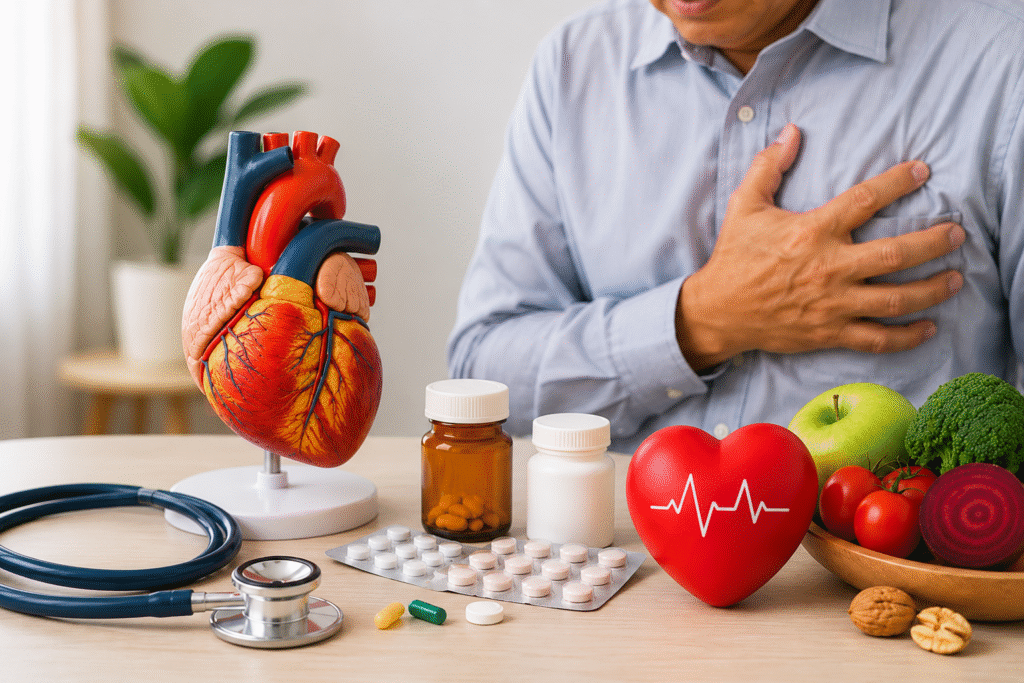
Improving Quality of Life with Proper Angina Treatment
Living with angina can make everyday activities difficult and stressful. Simple tasks like walking, climbing stairs, or even mild physical activity may cause chest pain, discomfort, or shortness of breath. Many people also feel anxious about their heart health and worry about sudden symptoms.The good news is that angina can often be controlled successfully with the right treatment, healthy lifestyle habits, and regular medical care.Early diagnosis, the right medications, and regular medical care can help reduce symptoms and improve overall quality of life. With proper support and treatment, people with angina can continue to enjoy a more active, comfortable, and healthier life.Proper angina management can also help people feel more confident and independent in their daily routines. Making small but healthy changes in diet, exercise, and stress management can greatly support heart health over time. Regular check-ups with a heart specialist are important to keep track of the condition, manage symptoms properly, and maintain a healthier and more comfortable quality of life.
Table of Contents
- Understanding Angina
- Common Symptoms of Angina
- What Causes Angina?
- Why Early Treatment Matters
- Treatment Options for Angina
- Lifestyle Changes for Better Heart Health
- How Proper Treatment Improves Quality of Life
- Conclusion
- FAQs
Understanding Angina
Angina is a type of chest pain that occurs when the heart doesn’t receive enough oxygen-rich blood. It is usually a warning sign of an underlying heart condition, most commonly coronary artery disease. People often describe the discomfort as pressure, tightness, heaviness, or a burning sensation in the chest. In some cases, the pain may also spread to the shoulders, arms, neck, jaw, or back, making it feel even more uncomfortable and concerning.
Although Angina can be frightening, proper medical care can help manage the condition and reduce its impact on daily life, including advanced options like EECP in Kochi. Some people experience angina only during physical activity or emotional stress, while others may notice symptoms more frequently. The intensity and duration of the pain can also vary from person to person. Paying attention to these warning signs and seeking medical advice early can help prevent serious heart complications. With timely treatment and healthy lifestyle changes, many people with angina are able to continue their daily activities with greater comfort and confidence.
Common Symptoms of Angina
Angina symptoms can vary from person to person, and they may range from mild discomfort to more noticeable chest pain. For some people, it feels like pressure or tightness in the chest, while for others it may appear as a burning or squeezing sensation. These symptoms often come and go, especially during physical activity or stressful situations.
Along with chest discomfort, angina can also cause several other warning signs that should not be ignored. Recognizing these symptoms early can help in seeking timely medical care and preventing complications.
Common symptoms include:
- Chest pain or discomfort
- Shortness of breath
- Unusual tiredness during physical activity
- Pain spreading to the arms, shoulders, neck, or back
- Dizziness or feeling weak
- Sweating or nausea
These symptoms are often triggered by exercise, emotional stress, or heavy meals and usually improve with rest.
What Causes Angina?
Angina usually occurs when the blood vessels supplying the heart become narrowed or blocked, which reduces blood flow to the heart muscles. Angina treatment mainly focuses on improving blood flow to the heart and treating the underlying causes to help reduce chest pain and discomfort.
Several factors can increase the risk of developing angina, including:
- High blood pressure
- High cholesterol
- Smoking
- Diabetes
- Obesity
- Stress
- Lack of exercise
- Unhealthy eating habits
- Family history of heart disease
Managing these risk factors through lifestyle changes and timely Angina treatment can help improve heart health and reduce angina symptoms
Why Early Treatment Matters
Ignoring angina symptoms can increase the risk of serious heart problems, including heart attacks. Seeking timely Angina treatment in Kochi allows doctors to identify the underlying cause and recommend the right treatment plan.
Early treatment can make a significant difference in managing angina and improving overall heart health. When symptoms are addressed at the right time, it becomes easier to control discomfort and prevent the condition from getting worse.
Early treatment can help:
- Reduce chest pain episodes
- Improve blood circulation
- Prevent worsening heart disease
- Improve energy levels and daily comfort
- Lower the risk of complications
Timely medical care plays an important role in helping you maintain a healthier, more active, and more comfortable lifestyle.
Treatment Options for Angina
The treatment for angina depends on how severe the condition is and the patient’s overall heart health. In many cases, a combination of medical care and lifestyle improvements works best to manage symptoms and improve quality of life.
Medications
Doctors may prescribe medicines to help improve blood flow, control blood pressure, and reduce chest pain. These medications are often an important first step in managing angina symptoms.
Lifestyle Changes
Making healthy lifestyle choices can greatly support heart health. Eating a balanced diet, staying physically active, quitting smoking, and managing stress can all help reduce the frequency of symptoms and improve overall well-being.
Medical Procedures
In some cases, patients may need procedures such as angioplasty, stent placement, or bypass surgery to restore proper blood flow to the heart.
EECP Therapy
Enhanced External Counterpulsation (EECP) is a non-invasive treatment that can help improve blood circulation and naturally relieve angina symptoms. It is often a helpful option for patients who are not suitable for surgery or those who continue to experience chest pain even after other treatments.
Lifestyle Changes for Better Heart Health
Making small but consistent changes to your daily habits can play a big role in managing angina and improving your overall quality of life. These habits help support heart function, reduce symptoms, and keep you feeling more active and comfortable.
Adopting a healthier lifestyle doesn’t have to be difficult simple choices made every day can gradually improve your heart health and overall well-being.
Helpful lifestyle habits include:
- Following a heart-healthy diet
- Staying physically active
- Managing stress through relaxation techniques
- Maintaining a healthy body weight
- Avoiding smoking and alcohol
- Taking medications regularly as prescribed
- Attending regular health check-ups
These changes not only support your heart but also contribute to better physical strength, emotional balance, and long-term wellness.
How Proper Treatment Improves Quality of Life
Getting the right treatment for angina can make a real difference in how you feel every day. It helps reduce discomfort, improves heart function, and allows you to carry out daily activities with more ease and confidence.
With consistent care and healthy lifestyle choices, many people notice a steady improvement in their overall well-being and energy levels.
Benefits may include:
- Fewer chest pain episodes
- Better breathing and stamina
- Improved sleep and comfort
- Reduced stress and anxiety
- Increased ability to perform daily activities
- Better long-term heart health
With proper treatment and ongoing support, many people with angina are able to live active, comfortable, and fulfilling lives.
Conclusion
Angina can affect both physical health and emotional well-being, but proper treatment, including advanced options like EECP treatment, can make a significant difference. Early diagnosis, medical care, healthy lifestyle habits, and regular follow-up can help control symptoms and improve heart function. By taking the right steps toward heart care, individuals with angina can enjoy a better quality of life, greater comfort, and improved confidence in their daily activities.
Proper treatment also helps reduce the risk of serious complications such as heart attacks and worsening heart disease. Following a doctor’s advice and making healthy lifestyle choices can support long-term heart health and overall well-being. With the right care and support, many people with angina can continue to live active, healthy, and fulfilling lives.
FAQ
Yes, angina can be a warning sign of heart disease and should not be ignored.
Yes, healthy eating, exercise, stress management, and quitting smoking can greatly help.
Proper treatment can reduce chest pain, improve energy levels, and help patients stay active.
Avoid smoking, unhealthy foods, excessive stress, and skipping medications.
You should consult a doctor if you experience chest pain, shortness of breath, or worsening symptoms.