
Understanding Angina: Causes, Symptoms & Treatment Options
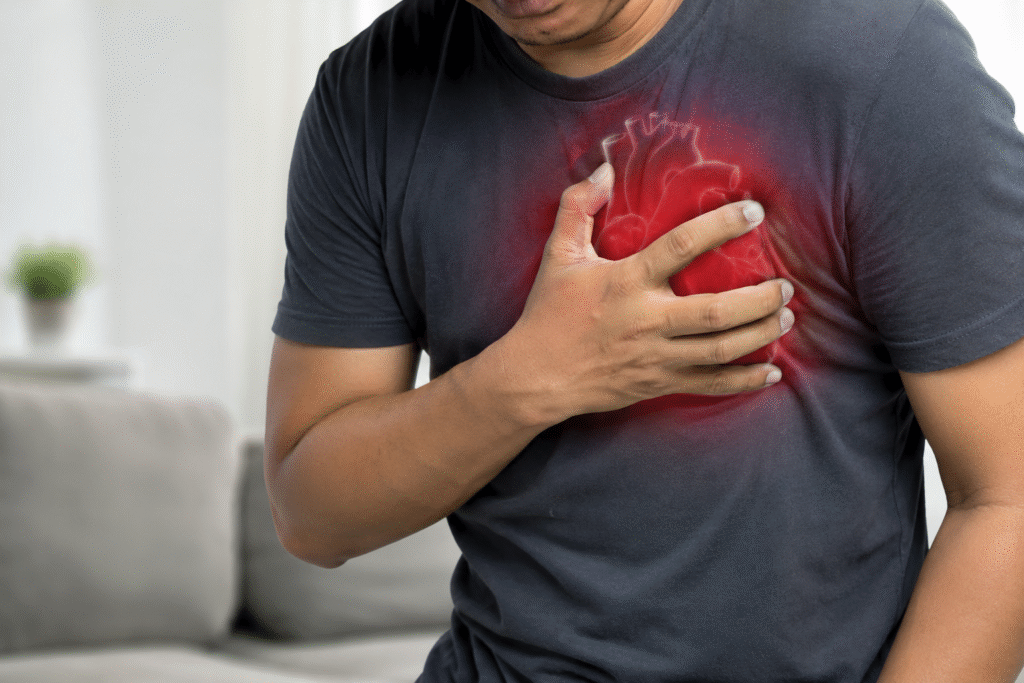
Angina is one of the most common cardiovascular diseases, which affects millions of people worldwide. Angina is the term used for chest pain, which occurs due to insufficient oxygen-enriched blood reaching the heart muscles. Angina is not a disease in itself, but angina may be an indicator of heart ailments, particularly coronary artery disease (CAD).
Many people usually ignore the initial signs, thinking that they are the result of stress or digestive problems. Early diagnosis of angina, along with proper treatment, helps avoid complications such as a heart attack or heart failure.
The EECP clinic in Kochi can provide a detailed assessment and individualized treatment of heart-related problems. Getting to know about the causes, symptoms, and treatment options of angina is the first step towards heart care.
Table of Contents
- Introduction
- What Is Angina and Why Does It Occur?
- Common Causes of Angina
- Different Types of Angina You Should Know
- Major Risk Factors That Increase the Chances of Angina
- Signs and Symptoms of Angina
- How Doctors Diagnose Angina
- Lifestyle Changes That Help Manage Angina
- Medical Treatments Available for Angina
- Advanced Angina Therapy Options for Long-Term Relief
- Conclusion
- FAQ
1. What Is Angina?
Angina is a symptom caused by inadequate blood and oxygen supply to the muscles of the heart. This feeling occurs in different ways, including chest pressure, squeezing, chest heaviness, tightness, and chest pain.
In order for the heart to function effectively, it needs oxygen-filled blood supply. The arteries become narrow and get blocked, and therefore there is a reduced supply of blood, which leads to angina.
Angina differs in its level of severity and occurrence. While some people feel discomfort through physical effort, other people experience angina more frequently.
Some of the common characteristics of angina include:
- chest pressure or chest tightness
- pain that can radiate to the arms, shoulders, neck, jaw, or back
- triggered by physical or emotional stress
- relief after rest or use of medication.
It is very important to understand what angina is because it is an alarm bell of the heart’s poor condition.
2. Common Causes of Angina
Angina results from the formation of plaques in the coronary arteries. These plaques lead to narrowing of the coronary arteries, thereby decreasing the amount of blood supplied to the heart.
The other possible causes of angina include:
Atherosclerosis
A condition characterized by stiffening of the arteries due to deposition of plaques.
Coronary Artery Spasm
Narrowing of the coronary arteries, resulting from their temporary spasms.
Heart Valve Disease
Disorders of the heart valves that may affect the flow of blood in the heart.
Uncontrolled Hypertension
High pressure requires the heart to work extra hard in order to pump more blood.
Anemia
Deficiency of red blood cells, leading to low amounts of oxygen supply.
Heart Failure
Poor pumping ability of the heart may cause a low oxygen supply.
Identifying the underlying cause is essential for selecting the most effective angina treatment strategy.
3. Types of Angina
Angina is not the same for every patient. Different types require different management approaches.
Stable Angina
The most common form of angina.
Characteristics include:
Occurs during exercise or physical activity
Triggered by emotional stress
Predictable pattern
Improves with rest
Unstable Angina
A more serious condition that requires immediate medical attention.
Characteristics include:
Sudden onset
More intense symptoms
Occurs even at rest
May signal an impending heart attack
Variant (Prinzmetal’s) Angina
Caused by coronary artery spasms.
Features include:
Often occurs at rest
Usually appears during nighttime or early morning
May not be associated with plaque buildup
Microvascular Angina
Occurs due to dysfunction in the small blood vessels of the heart.
Symptoms may persist longer and often affect women more frequently.
Understanding the specific type of angina helps physicians recommend the most appropriate angina therapy.
4. Risk Factors That Increase Angina
Various elements may increase the chances of having angina.
Lifestyle Causes
- Smoking
- Sedentary lifestyle
- Obesity
- Consuming too much alcohol
- Unhealthy eating habits
Medical Issues
- Diabetes
- High levels of cholesterol
- High blood pressure
- Chronic kidney issues
Non-Modifiable Causes
- Having a family history of heart problems
- Older age
- Being male
- Post-menopausal women
Controlling the modifiable causes is critical to avoiding any heart issues in the future.
5. Recognizing the Symptoms of Angina
Patients have been known to report angina in many ways, making diagnosis difficult.
Typical symptoms are:
- Chest pain/pressure
- A burning feeling in the chest area
- Pressure in the chest
- Shortness of breath
- Fatigue
- Dizziness
- Nausea
- Sweating
Pain may radiate to:
- Left arm
- Right arm
- Neck
- Jaw
- Back
- Shoulder
Symptoms in Women
Women may experience less typical symptoms such as:
- Fatigue
- Shortness of breath
- Nausea
- Upper back discomfort
Any recurring chest discomfort should be evaluated promptly by a cardiac specialist.
6. How Angina Is Diagnosed
Accurate diagnosis helps determine the severity of the condition and guides treatment decisions.
A cardiologist may recommend:
Medical History Review
Understanding symptom patterns and risk factors.
Physical Examination
Assessing heart function and circulation.
Electrocardiogram (ECG)
Detects electrical abnormalities in the heart.
Echocardiogram
Provides detailed images of heart structure and function.
Stress Testing
Evaluates heart performance during physical activity.
Coronary Angiography
Identifies blockages in the coronary arteries.
Blood Tests
Checks for markers of heart damage and other contributing conditions.
A thorough evaluation allows physicians to design a customized ANGINA THERAPY plan.
7. Lifestyle Changes That Support Angina Management
Lifestyle modification is often the foundation of successful treatment.
Heart-Healthy Diet
Focus on:
- Fruits and vegetables
- Whole grains
- Lean proteins
- Healthy fats
Limit:
- Saturated fats
- Trans fats
- Excess salt
- Processed foods
Regular Physical Activity
Benefits include:
- Improved circulation
- Better blood pressure control
- Enhanced heart function
Smoking Cessation
Stopping smoking significantly reduces cardiovascular risk.
Weight Management
Maintaining a healthy weight reduces stress on the heart.
Stress Reduction
Helpful techniques include:
- Meditation
- Yoga
- Deep breathing exercises
- Mindfulness practices
These changes often improve symptoms and enhance treatment outcomes.
8. Medical Treatments for Angina
Various medications have been developed not only to alleviate symptoms but also to reduce the risk factors of the cardiovascular system.
Nitrates
Open up blood vessels and improve the blood flow.
Beta Blockers
Decrease the load on the heart and reduce the oxygen use by the heart.
Calcium Channel Blockers
Expand blood vessels and improve circulation.
Antiplatelet Medications
Reduce the risk of clot formation.
Medications for Cholesterol Reduction
Prevent the formation of plaques.
Medications for Blood Pressure
Ensure the proper function of the cardiovascular system.
The medication is adjusted individually for each patient.
9. Advanced Angina Therapy Options
However, in situations when the medication and other methods of treatment do not work to alleviate the symptoms experienced by the patient, there are additional approaches that could be considered.
These include:
Angioplasty & Stenting
This is performed with the aim of widening the coronary arteries.
Coronary Artery Bypass Surgery
This creates new paths for the flow of blood in situations where there are clogged arteries.
Non-Invasive Angina Treatment
This treatment procedure will fit well for people who cannot be subjected to surgery. This treatment procedure aims at improving the blood flow and chest pain. It is used to increase the flow of blood, exercise tolerance, and the general health of the heart.
Patients seeking advanced heart angina treatment should always undergo a comprehensive evaluation to determine the most appropriate option.
Conclusion
It is imperative not to ignore angina. Although it may start as minor pain in the chest area, it could imply that there is serious heart disease in play. By detecting the problem early on and implementing appropriate changes in one’s life, taking the right medications, and employing various forms of treatment, angina can easily be brought under control.
FAQ
No. Angina is a symptom resulting from the restriction of blood flow. A heart attack occurs because of blood flow obstruction and damage to the heart muscles.
The treatment is oriented towards symptom control and minimization of further cardiovascular complications.
Physical exertion, stress, cold temperatures, overeating, and smoking are the triggers for angina.
Angina episodes typically last a few minutes and become less intense during rest and with medications.
Contact your doctor immediately if you have severe pain, angina at rest, or other symptoms accompany your condition (shortness of breath, sweating, nausea).
Of course. Healthy diet, physical exercises, smoking cessation, appropriate weight maintenance, and stress management can be effective.
Those who experience angina despite drugs and lifestyle modifications could be prescribed some advanced therapy based on their condition.