EECP for Elderly Heart Patients: Is It a Suitable Option?
Cardiac issues are prevalent among the elderly population. Many senior citizens suffer from chest discomfort, fatigue, and breathlessness caused by a lack of blood circulation in the heart area. Though most often the therapy involves medication and surgery, some less invasive procedures can also help in relieving patients. EECP may be a good option for some patients to relieve them of the annoying symptoms of cardiac disease. A trustworthy EECP clinic in Ernakulam will be able to determine if the procedure is suitable for the patient based on their health needs.
Table of Contents
- 1. What Is EECP Treatment?
- 2. Why Is EECP Considered for Elderly Patients?
- 3. Is EECP Safe for Older Adults?
- 4. EECP vs. Heart Surgery
- 5. Can EECP Treat Heart Blockages Without Surgery?
- 6. What Happens During an EECP Session?
- 7. How Can Elderly Patients Get Better Results?
- 8. Conclusion
- 9. FAQs
What Is EECP Treatment?
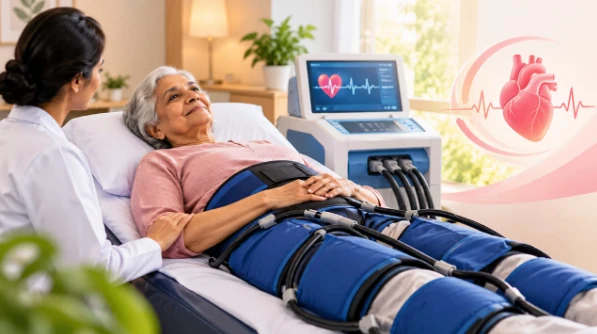
Enhanced External Counterpulsation Therapy is a type of non-surgical procedure which helps in enhancing the blood circulation in the body to relieve the patient from angina. This technique consists of special inflatable cuffs, which are placed around the calves, thighs, and buttocks. These cuffs are inflated and deflated with the heartbeat.
The process increases blood circulation to the heart muscles with every relaxation of the patient’s heartbeat. Then, the cuff is deflated before the heartbeat begins again to reduce the pressure in the arteries and to help the heart to beat effectively. EECP therapy is a non-invasive procedure which does not require any type of anaesthesia or incisions. Moreover, the patients are alert throughout the whole procedure, which normally lasts several weeks.
Why Is EECP Considered for Elderly Patients?
The reason why older adults may need alternative cardiac interventions is that they may have associated comorbidities that may complicate some procedures, or they may continue to experience symptoms such as chest pain even when taking the prescribed drugs.
EECP should be considered for patients with chronic stable angina who have been certified by a cardiologist. The advantages of EECP include the following:
- It improves circulation
- It decreases or eliminates angina;
- It helps patients resume normal physical activity;
- It is non-invasive;
- Patients can go home after each session.
However, it is not always effective, and its results are inconsistent in most patients.
Is EECP Safe for Older Adults?
Age is not a limiting factor for receiving EECP. However, the patient’s condition, such as the state of the heart, blood pressure, blood circulation, and other potential complications, must be considered and evaluated by a physician prior to deciding on the course of treatment.
In addition, some patients may be subjected to side effects such as bruising, skin irritation, and discomfort from the tight pressure cuffs. Moreover, EECP should not be administered to patients with a severe aortic valve leak, very high blood pressure, significant heart rhythm disorders, or blood clots in the legs.
Therefore, a cardiologist should examine the patient and analyse the current medication and overall condition before the procedure.
EECP vs. Heart Surgery
Angioplasty and bypass surgery are usual methods of treating severe heart blockages.That being said, there are times when senior patients are not strong enough to deal with these aggressive procedures, mainly due to additional health issues – and in these cases, EECP can sometimes be used as an additional option to either alleviate the severity of chronic, stable angina or even eliminate it completely. Senior patients that are looking into alternative non-surgical treatments in Kochi can contact or visit EECP clinic for information and clarification.
Can EECP Treat Heart Blockages Without Surgery?
EECP might be of some value in stimulating blood circulation and decreasing chest pain in some patients who have chronic stable angina, but it does not remove the plaque or unblock the arteries directly. The right treatment will depend on how much the arteries are blocked and the patients’ overall health condition. Those who are interested in Heart blockage treatment without surgery need to get medical advice first before they decide on a treatment option, since EECP can not replace angioplasty and bypass surgery when such operations are required.
What Happens During an EECP Session?
The medical team will review a patient’s health before treatment to see if EECP is appropriate. A patient is lying on a treatment bed during the treatment, and cuffs are applied to the lower body. The cuff is inflated and deflated on the heartbeat of the machine.
The usual course lasts approximately six weeks with one-hour sessions held six days a week. The precise timing will be based on the needs of the patient and the protocol of the clinic. Patients should let the healthcare team know if they feel discomfort during treatment.
How Can Elderly Patients Get Better Results?
EECP should be part of a comprehensive heart care programme. Patients should continue to take any prescribed medication unless instructed otherwise by their doctor.
Good nutrition, no smoking, keeping blood pressure and diabetes under control and getting the right type and amount of physical activity are all important for heart health. Progress is followed by regular medical examinations.
Before beginning treatment, patients and their carers should talk about the possible benefits and risks, the treatment schedule, and the costs.
Sudden, severe chest pain, fainting, or serious trouble breathing are emergencies; seek emergency care rather than waiting for an appointment for EECP.
Conclusion
EECP heart treatment might help a particular senior citizen with cardiovascular disease in relieving discomfort in the chest and improving the quality of life in a minimally invasive way. For those who are looking for Heart treatment without surgery, EECP may be an option for them if it is recommended by a cardiologist. However, its effects might differ for each patient.
FAQ
Yes, EECP may be appropriate for some elderly patients with chronic stable angina. A cardiologist has to first evaluate a person’s health condition and medical history before recommending treatment.
EECP is generally painless. Some patients may experience pressure, skin irritation or discomfort from the cuffs during treatment.
No, EECP does not directly unblock arteries or remove plaque. It may help alleviate chest pain and improve symptoms in selected patients.
Most EECP courses are six weeks long, with about one-hour sessions, six days per week. The schedule might differ depending on the patient's needs.
EECP can be an option for some patients with persistent angina, but it is not a substitute for bypass surgery when surgery is medically indicated.